
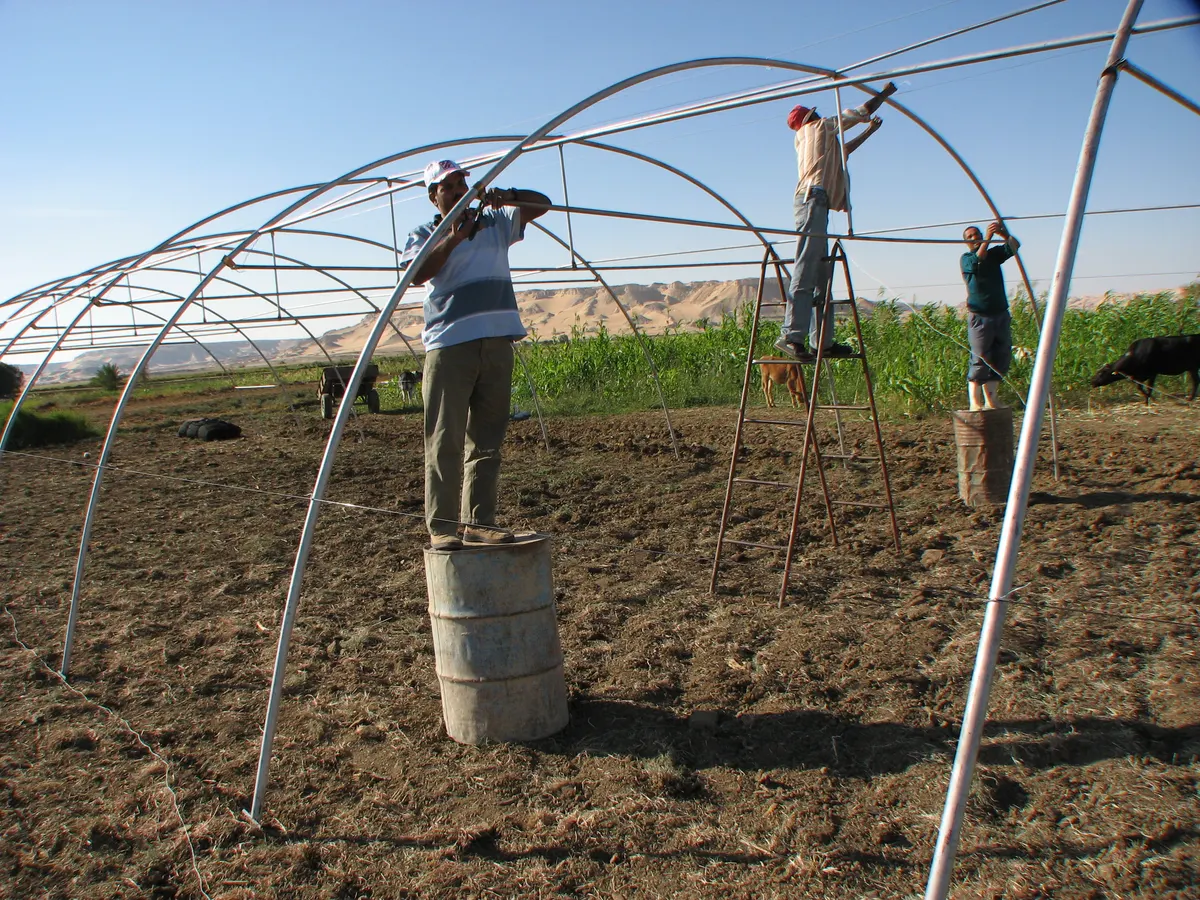
Every dry season, the same scene plays out across Zimbabwe: water is pumped or channelled onto fields, and most of it never reaches a plant root. Flood irrigation typically delivers only 40–60% of applied water to the crop. The rest is lost to evaporation, runoff and deep drainage. Drip irrigation flips those numbers — delivering 90% or more of every litre directly to the root zone.
Where the savings come from
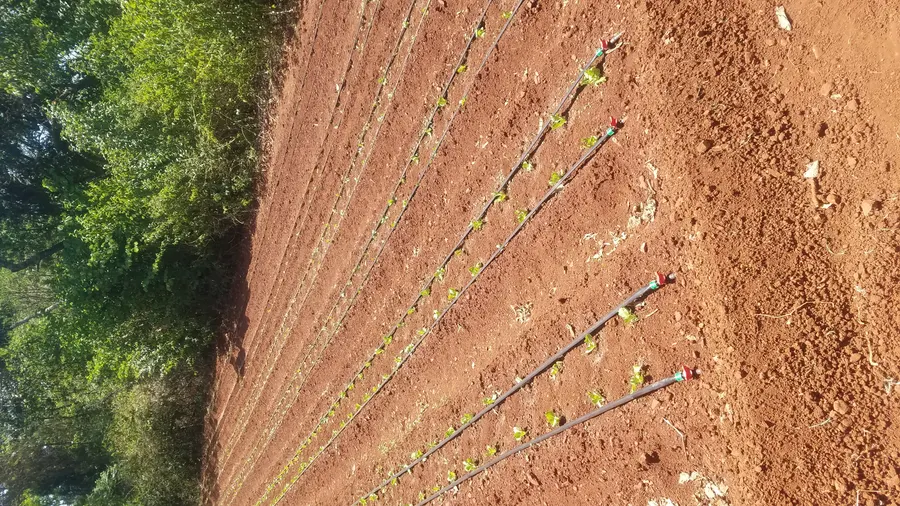
Three losses disappear almost entirely when water is dripped slowly at the plant base. First, evaporation from wet soil surfaces — a drip line wets a narrow band, not the whole field. Second, runoff on sloping ground, because application rates are far below rainfall intensity. Third, drainage below the root zone, because water is applied in small, frequent doses the soil can actually hold.
For a one-hectare plot irrigating twice a week, the difference is easily tens of thousands of litres per season. If you pump, every saved litre is also saved fuel or electricity — which is why drip often pays for itself within a single growing season on pumped schemes.
Sizing a system for a smallholder plot
The right system starts with the crop and the water source, not the catalogue. We size dripline spacing for the crop rows, choose emitter discharge to match soil type, and check that the pump or tank can hold the pressure the line needs. On plots without electricity, a gravity-fed tank stand on sloping ground can run short driplines with no pump at all.
A well-designed drip system is not expensive equipment — it is water you already have, used properly. Most of our clients recover the installation cost from fuel savings and improved yields within one season.
What to watch for
Drip systems reward attention. Flush the lines at least monthly in the dry season, fit a screen or disc filter at the head unit, and check emitters at the far end of the line for blockages. With that basic routine, quality dripline lasts many seasons in Zimbabwean conditions.
We supply and install dripline, fittings, filters and pumps, and we size the whole package for your plot, water source and budget. If you would like a quote for your land, get in touch — site visits in and around Harare are free.

Wadzanai Sibanda
Hydrology & Irrigation Specialist at WATPRO. Designs irrigation systems and water supply schemes — from borehole to field.
Tendai M.
We moved two of our blocks to drip last season and fuel costs dropped noticeably. How often should the filter be cleaned when the water comes from a river?
Reply
WATPRO Team
With river water, check the filter daily during peak irrigation and backwash as soon as the pressure gauge drops. A disc filter with a 120-mesh screen handles most silt — send us your site details and we'll advise.
Reply
Rudo C.
Great article. Is a gravity tank stand realistic for a half-hectare garden, or do we need a small pump?
Reply